
What is the Primary Purpose of a Boundary Wall?
The primary purpose of a boundary wall is to provide security and privacy by clearly marking the limits of a property. It acts as a protective barrier to prevent unauthorized entry, keeping trespassers, stray animals, and intruders out. Boundary walls also help reduce noise pollution and protect children and pets by providing a safe enclosed area. In addition to security, boundary walls help prevent disputes over property lines by clearly defining ownership boundaries, which is critical in residential and commercial areas alike. RCC boundary walls, due to their strength and longevity, effectively serve these purposes by offering durable, low-maintenance, and robust protection that stands the test of time.
How High Should a Boundary Wall Be for Proper Security?
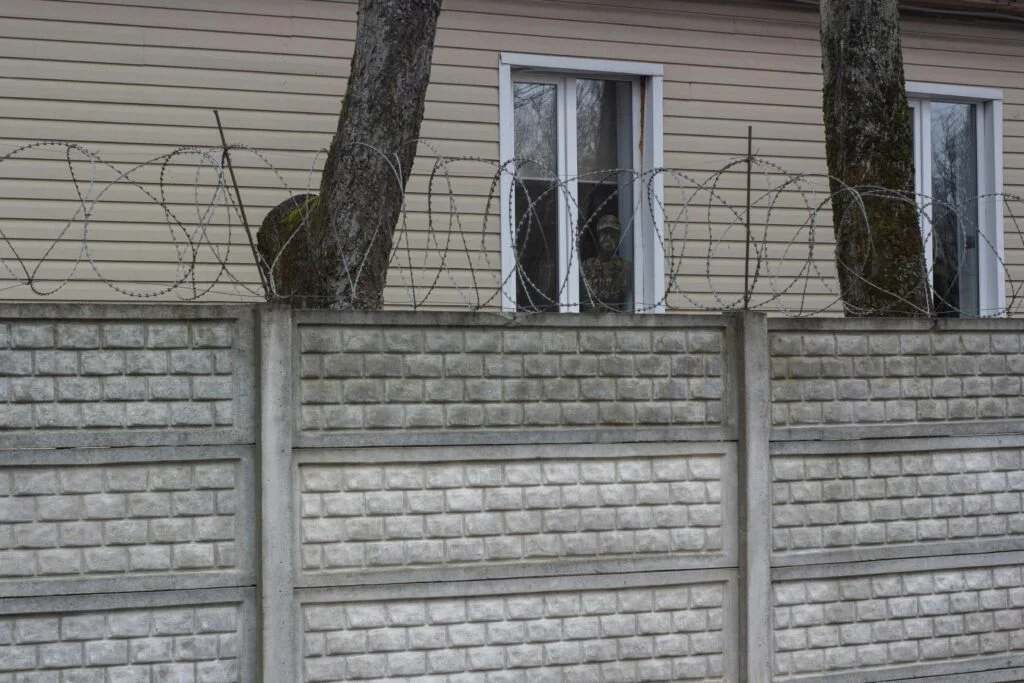
For effective security, boundary walls should ideally be at least 6 to 8 feet high. Walls shorter than 6 feet are relatively easy to climb, which compromises security. Walls taller than 8 feet often require special permits due to local regulations and may appear imposing or non-compliant with aesthetic rules. In high-security areas such as industrial sites or gated communities, walls may be equipped with additional measures such as electric fencing, barbed wire, or surveillance systems to further deter intrusions. RCC boundary walls are well-suited for tall structures like these because their reinforced concrete construction maintains structural integrity even at greater heights.
Which Material Lasts Longer for Boundary Walls?
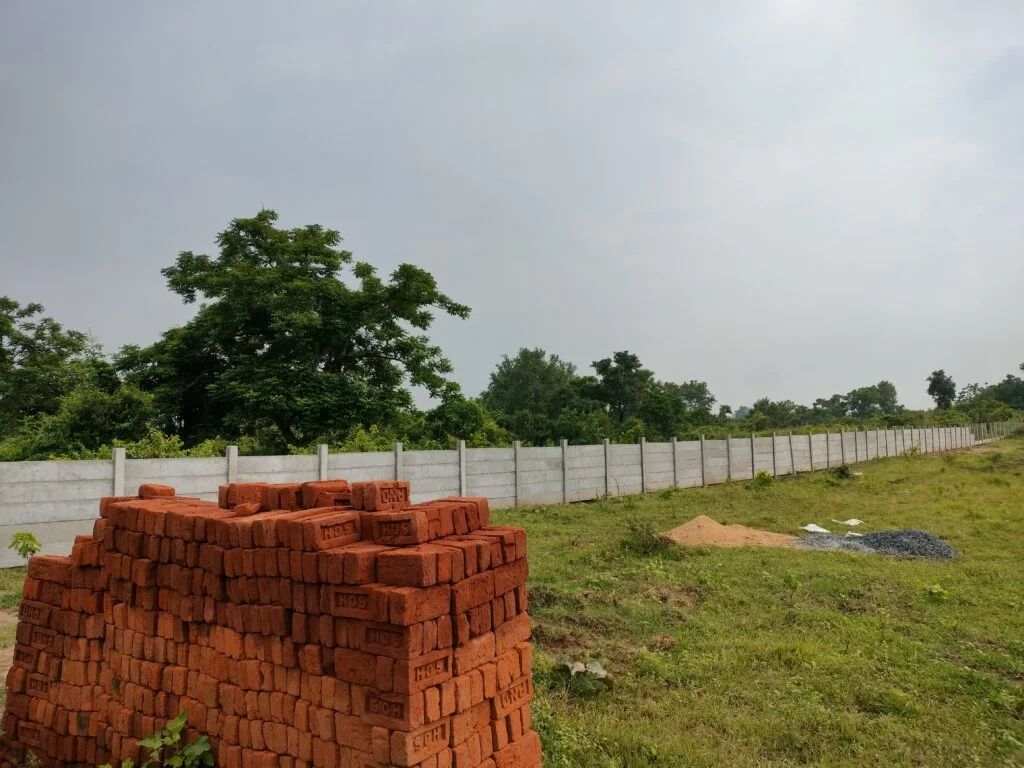
RCC boundary walls last significantly longer than traditional brick walls due to their composition. Reinforced cement concrete combines steel and concrete to provide a wall that is resistant to weather extremes, termites, and structural deterioration over time. Brick walls, while aesthetically traditional, are more prone to cracks, mortar erosion, and weather damage, meaning they require more frequent maintenance and repairs. RCC boundary walls’ durability ensures a longer lifespan, making them more cost-effective and reliable for long-term property protection.
What is the Cost Difference Between Brick and RCC Boundary Walls?
Although RCC boundary walls typically have a higher initial cost than brick walls due to the use of steel reinforcement and concrete, their long-term cost advantage becomes apparent. RCC walls require less maintenance and fewer repairs over time, resulting in reduced lifecycle costs. Additionally, modern construction methods like precast RCC panels reduce labor and construction time, saving money on installation. Brick walls, while cheaper to build initially, often accumulate higher maintenance expenses, making RCC boundary walls a more economical choice overall, especially considering their longevity.
Can Boundary Walls be Decorative as Well as Functional?
Boundary walls can absolutely be both decorative and functional. RCC boundary walls provide design flexibility through precast panels, allowing for different textures, colors, and patterns that can complement the home’s architectural style. This means a property owner does not have to sacrifice aesthetics for security. RCC walls can be finished to mimic stone, brick, or other materials, creating beautiful yet safe perimeter walls that enhance curb appeal while providing robust protection.
Does Construction Require Special Permits or Permissions?
Yes, constructing boundary walls often requires compliance with local building regulations, especially with regard to height restrictions and materials used. Walls taller than 6 or 8 feet typically require permits and design approvals from municipal authorities to ensure safety and aesthetic harmony with the surroundings. RCC boundary walls may require additional engineering certification due to their structural strength and load-bearing capabilities. Adhering to permit requirements ensures legal compliance and prevents future disputes.
How Often Do Boundary Walls Require Maintenance?
RCC boundary walls require minimal maintenance compared to brick walls. Properly constructed RCC walls can last decades with only occasional cleaning or repainting. Brick walls need more frequent repairs due to erosion, cracks, and the need to reapply mortar or plaster. Regular inspection of RCC walls is recommended to check for any surface wear or damage, but overall, they offer superior durability with significantly reduced upkeep, making them a preferred choice for long-term investment.
What Are the Benefits of Using Precast Concrete Panels?
Precast concrete panels used in RCC boundary walls offer multiple benefits. They enable faster construction since panels are manufactured off-site and assembled rapidly on-site. This reduces labor costs, construction time, and site disruption. Precast panels are made in controlled environments, ensuring consistent quality, durability, and precise dimensions. They also allow customization in design and texture, making it possible to achieve both functional and decorative features efficiently. These panels contribute to sustainable construction by minimizing waste and reducing energy consumption compared to traditional on-site casting.
How Do Weather Conditions Affect the Durability of Boundary Walls?
Weather conditions significantly affect the durability of boundary walls. Brick walls tend to absorb water from rain or humidity, which can cause mortar deterioration, cracking, and moss or algae growth. Freeze-thaw cycles can further damage brick structures. RCC boundary walls are much more resistant to weather because their concrete matrix is dense and impermeable, and the internal steel reinforcement adds structural strength. With appropriate design considerations such as drainage and waterproofing, RCC walls maintain their integrity much longer in harsh climatic conditions.
Which Type of Boundary Wall is Best for Termite Resistance?
RCC boundary walls are the best choice for termite resistance. Termites readily infiltrate bricks and mortar, which provide many entry points and food sources. In contrast, RCC walls comprise steel and dense concrete, materials that termites cannot penetrate or consume. This inherent resistance reduces the risk of damage and extends the life of the boundary wall, making RCC walls highly suitable for termite-prone areas, ensuring safer, longer-lasting property protection.
In conclusion, RCC boundary walls consistently outperform traditional alternatives in strength, durability, security, maintenance, and versatility. Their ability to be customized aesthetically while providing long-term cost savings and protection makes them an ideal solution for property owners seeking reliable and efficient boundary walls.